


French Drains
Capture runoff and groundwater before it reaches your foundation
When groundwater collects around your foundation, it builds up hydrostatic pressure that pushes against basement or crawlspace walls. Over time, this leads to leaks, cracks, and even structural damage. A French drain system is one of the most effective ways to collect this water and guide it away before it causes problems.
What is a French Drain?
Goal:
How It Works:
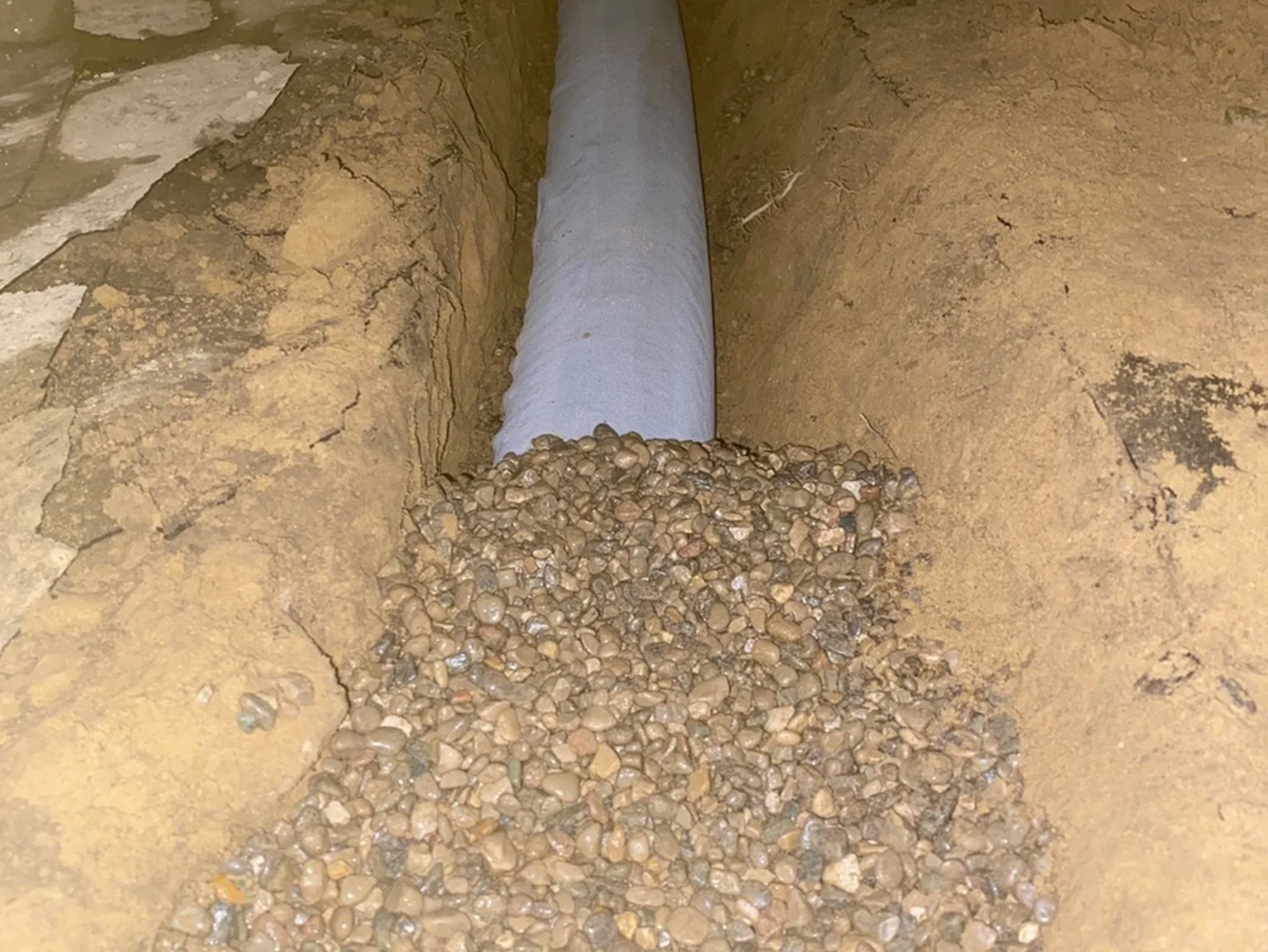
- Water enters a trench filled with gravel or stone and lined with filter fabric to prevent soil from entering the perforated pipe.
- A perforated pipe is placed at a gentle angle, typically sloping 1-2%, allowing it to carry water through the bed of stones.
- The pipe releases water above ground through a pop-up emitter, or it can send water to a swale, storm drain, dry well, or connect to a sump pump.
When It's The Right Choice:
- Soggy or spongy yards that don't dry out
- Water along hardscape (patios, walks, driveways)
- Pooling beside foundation walls or in window-well zones
- Low spots at the bottom of a hill or along property lines
How It Fits with Other Solutions:
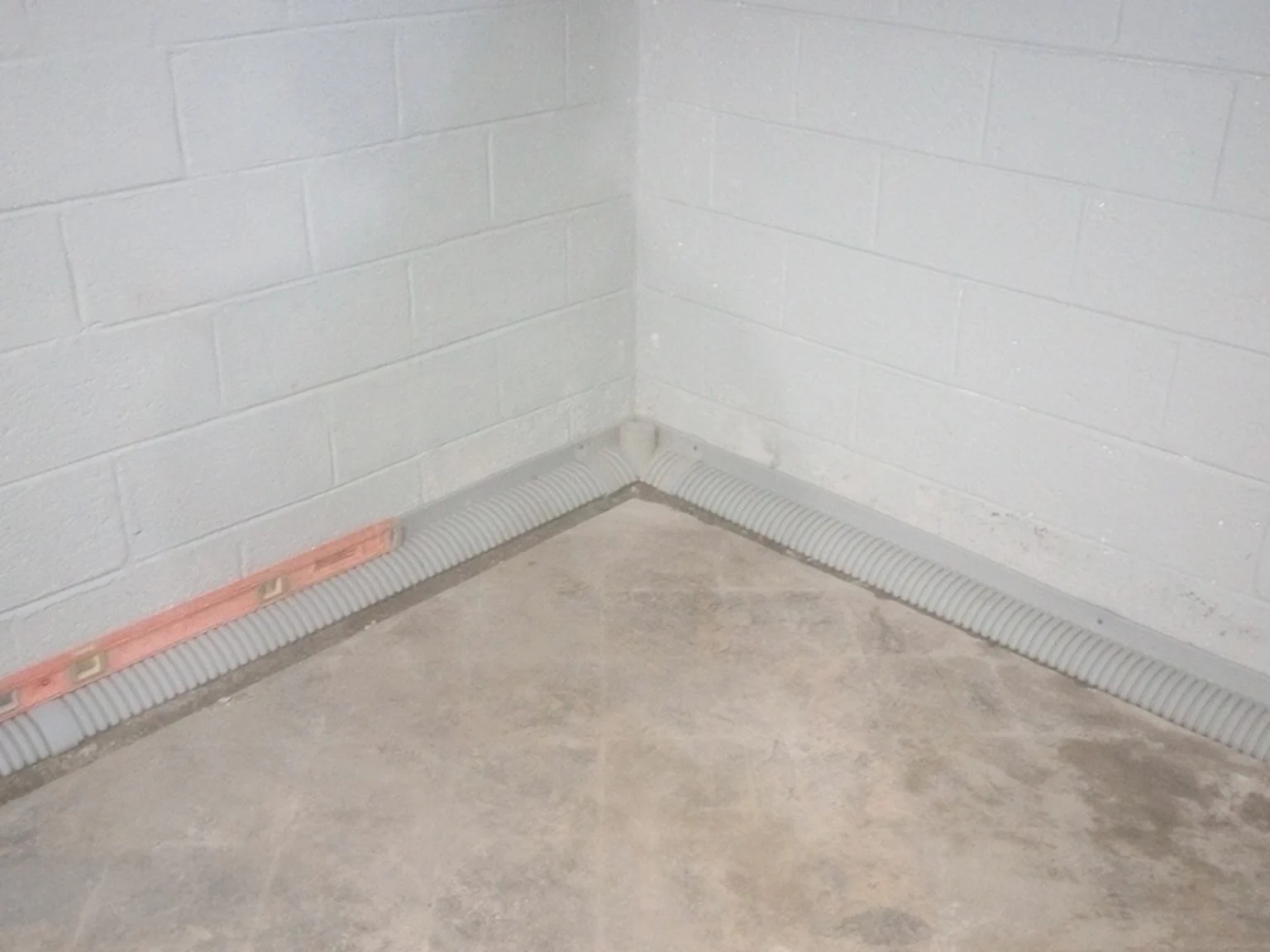
- If water is already entering at the wall–floor joint, add an interior drain and sealed pump inside to relieve pressure.
- If the system connects to a sump, we prepare it for winter by setting the proper slope, adding a pop-up emitter, and protecting the lines from freezing with ventilation to prevent backups. This helps the system keep working during Indiana's freeze-thaw cycles.
- Pair with downspout extensions and grading to keep roof water away from your home.
How It Fits with Other Solutions:
Fewer puddles, lower hydrostatic pressure on walls, and drier basements and crawlspaces.
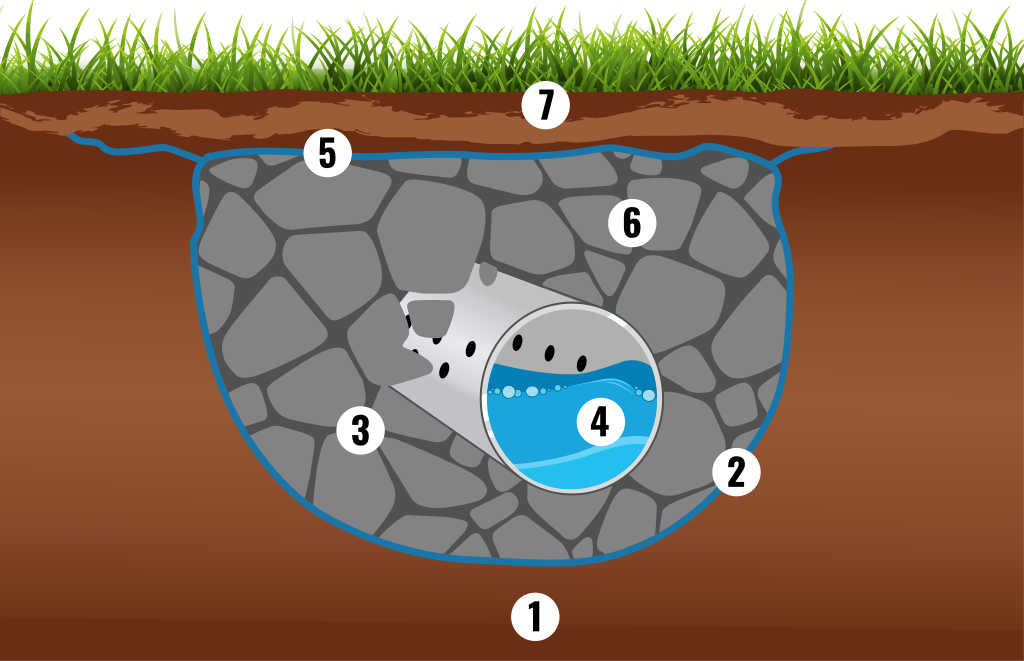
Anatomy of a French Drain
- Trench – Narrow trench following the wet line (along foundations, patios/driveways, low spots, or the base of a slope). Depth/width sized for site conditions.
- Filter Fabric – Lines the trench to prevent soil from entering the stone and pipe, thereby extending system life.
- Stone Bedding – Gravel or stone base that lets water enter quickly and supports the pipe.
- Perforated Drain Pipe – Laid with a steady pitch of 1-2%, allowing water to be carried toward the outlet.
- Fabric Overlap/Wrap – Fabric folds over the top of the stone before backfill to seal out sediment.
- Stone Envelope – Stone placed around and above the pipe for fast intake and to prevent clogging.
- Backfill & Surface Finish – Soil, sod, or decorative rock restores grade and maintains the surface slope.
Signs You May Need a French Drain
If you spot two or more of these signs, it’s a good idea to schedule a drainage inspection. Fixing problems early usually costs less. If water is entering where the wall meets the floor or through cracks, you may also need an interior drain with a sealed sump. Many homes use both systems: a French drain to manage water outside and an interior system to reduce pressure around the foundation.
Benefits of Installing a French Drain
Redirects water
Reduce puddles and yard saturation before it reaches your house.
Lowers hydrostatic pressure
Prevent cracks and bowing on foundation walls.
Keeps spaces dry
Cut mold, mildew, and musty odors from basements and crawlspaces.
Protects landscaping
Safeguard landscaping and hardscapes, minimizing erosion and washouts.
Extends Sump Pump Life
Lightens the load on your sump system, reducing cycles.
Durable and low-maintenance
With proper fabric, stone, and pipe, a French drain can protect your home for decades.
Long-Term Support for Your Drainage Investment
French drains help manage groundwater and surface runoff around your home, but changing soil conditions and debris buildup can affect performance over time.
The Cut ’N Dry Annual Protection Plan offers four coverage levels, with options for inspections, warranty protection, and service discounts to support long-term drainage.
Depending on the plan selected, routine evaluations help ensure your drainage system continues working as intended and that potential issues are addressed early.
Did You Know?
- Mold can develop in as little as 24–48 hours after a water event, turning minor moisture into a major health risk.
- French drains rely on a slight slope of about 1% or an inch every 10 feet to guide water naturally away from your home.
- Properly installed French drains can last several decades, offering near-maintenance-free protection against groundwater intrusion.
Don’t wait until it’s too late.
PROJECT GALLERY
French Drains in Action
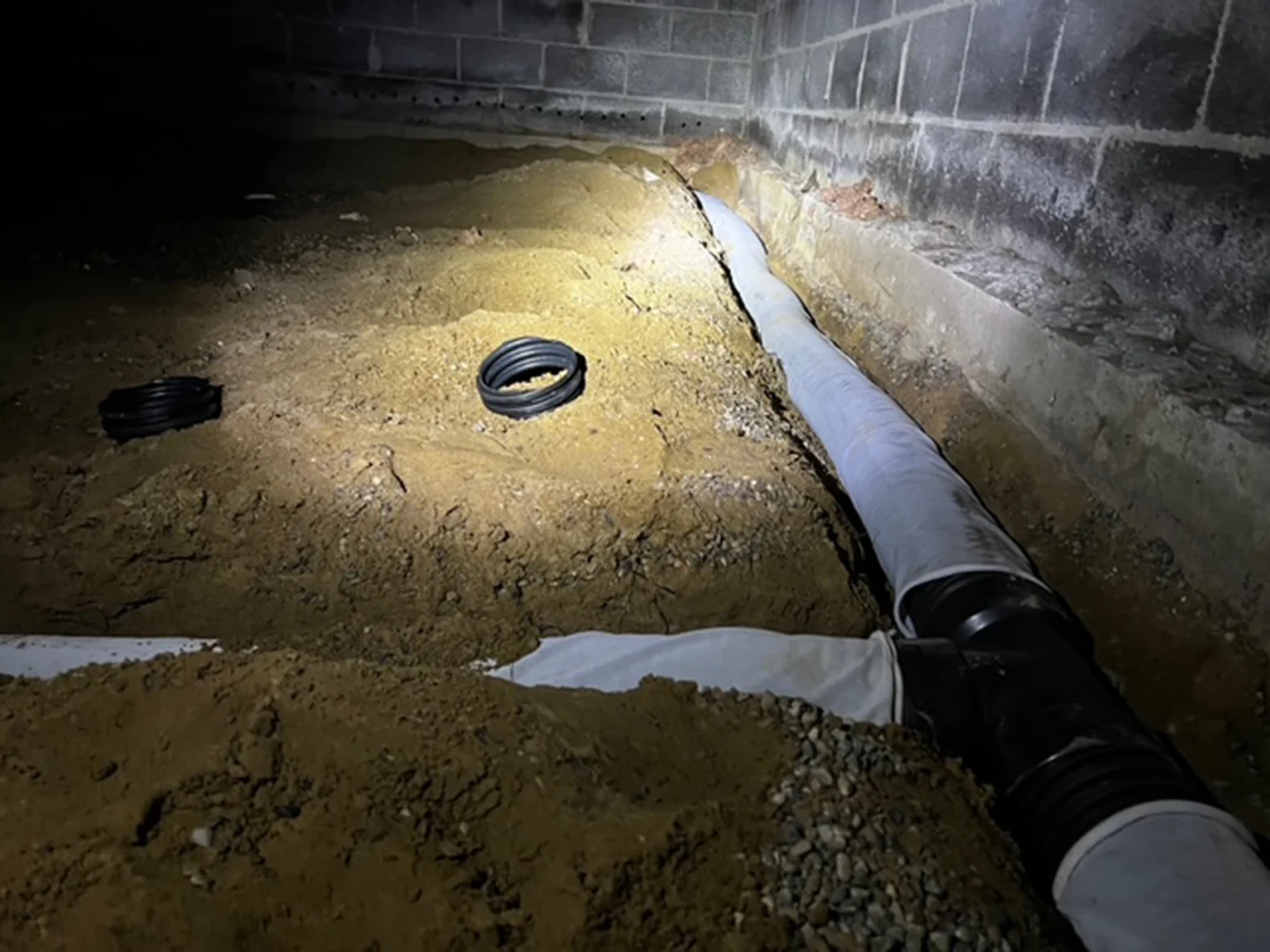
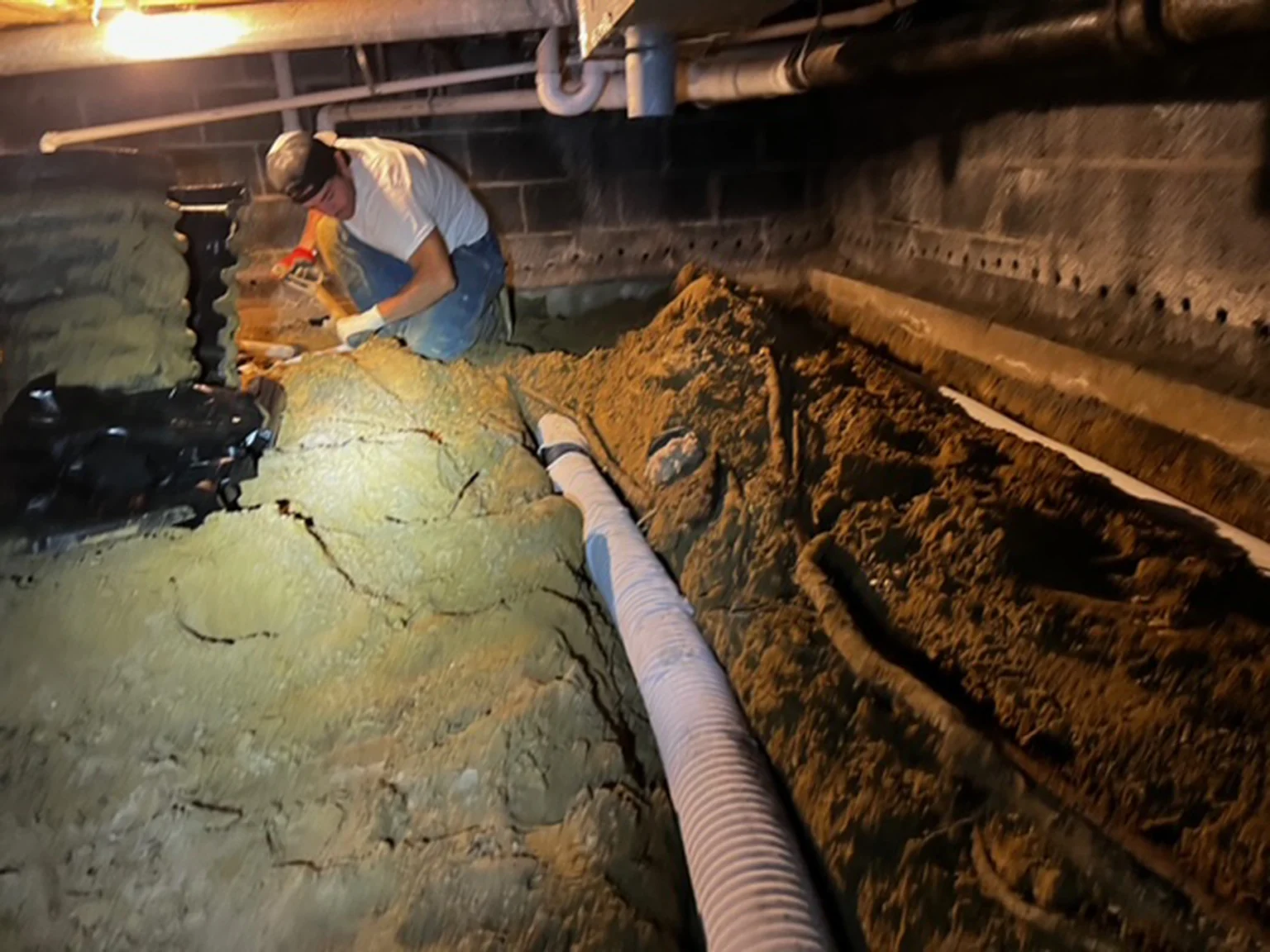
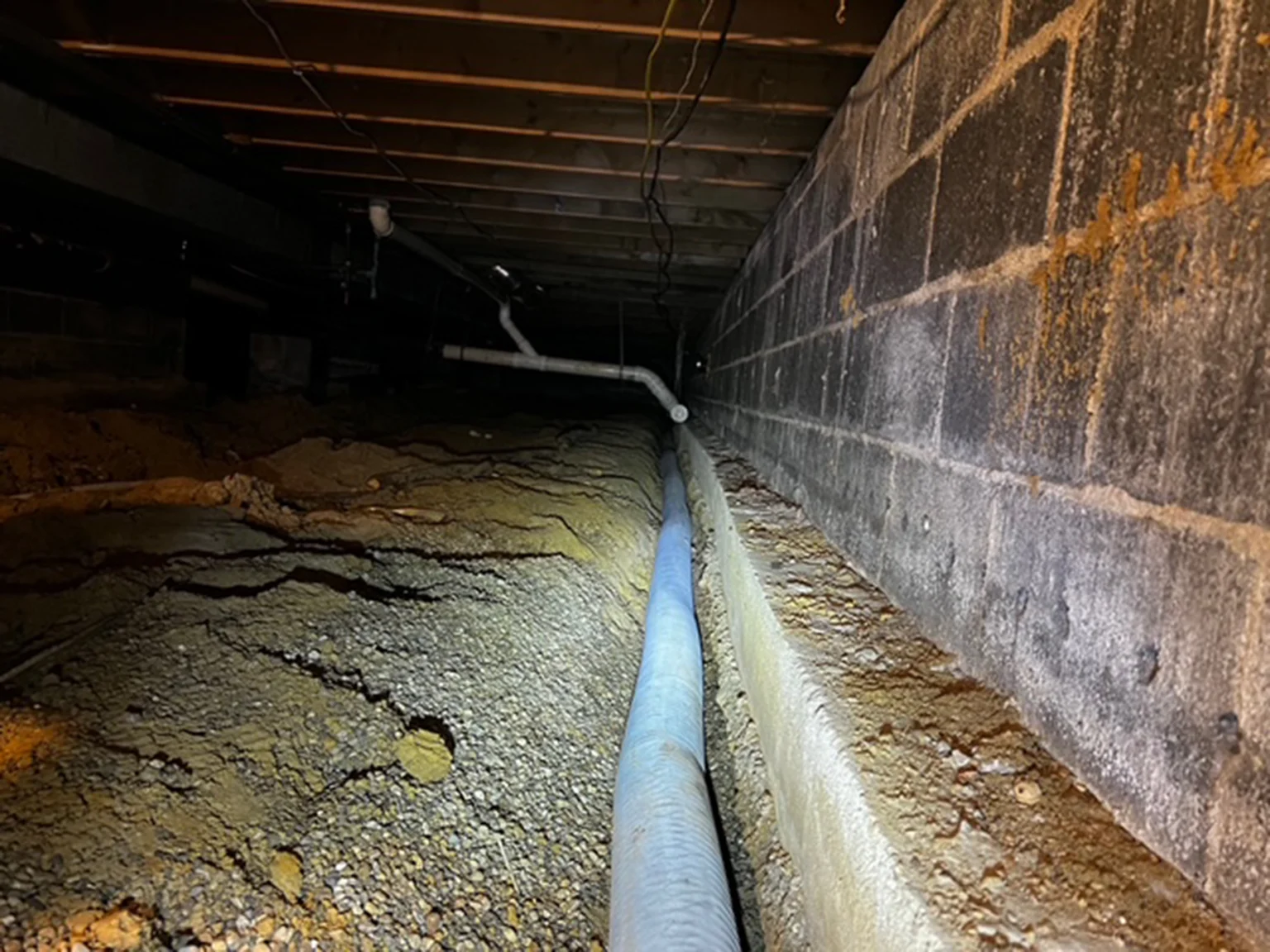
From muddy yards to dry foundations, our gallery shows how French drains keep water moving and homes protected.


Check out how our other services deliver results!
Moisture Managed the Right Way
“Amazing company. In a quick time got a very detailed quote with pictures of the issues they discovered! Excellent customer service including following up… They brought me up to the correct R rating and have saved $$ on heating/cooling. Thanks Sam and your team.”
~ Kevin McDonald, Google Review
Customer Stories
Kevin’s story above is just one of many.
Want to hear more? Here’s what our customers are saying about our drainage and waterproofing solutions:
Note: Some reviews mention our former names, Crawlspace Remediation and Radon Control Services. Both are now part of the Cut ‘N Dry Waterproofing family of services.
Frequently Asked Questions
Here are some common questions we hear about French drains from Indiana homeowners:
How long does it take to install a French drain?
Most installations can be completed in just a few days, depending on the size and layout of your property.
Will this tear up my yard?
We trench along the problem line, then restore the trenched area with sod or decorative rock. Your inspector will review any visible impacts before work begins.
Where does the water go?
To daylight through a pop-up emitter when grade allows, or to a dry well. In some cases, we recommend tying into a sump for pumping. We’ll recommend the safest outlet for your property.
Do French drains require maintenance?
Very little. Periodic inspections ensure the drain remains clear of roots or debris. A properly installed system can last decades.
Can a French drain be combined with a sump pump?
Yes. Many French drains are designed to tie into sump pump systems for maximum effectiveness.
Still have questions?
Financing Options
Affordable Drainage Protection
Installing a French drain is a long-term investment in your home’s health. We offer flexible financing from $1,000 to $25,000* with easy monthly plans and quick pre-approvals.
*Other financing options are available for larger projects.
Ready to Keep Water Away for Good?
Protect your home with a French drain designed to keep Indiana’s toughest soils and weather in check.