

Crawlspace & Basement Drainage Systems
Keep water moving. Keep foundations strong.
When water has nowhere to go, it takes the easiest route, often ending up in your crawlspace or basement. Our interior drainage systems capture water where it starts and transport it safely away. This helps protect your foundation and minimizes odors, humidity, and the risk of mold.
Designed for Central Indiana’s seasonal rains, fluctuating groundwater levels, and changing weather patterns, our solutions help keep your home dry all year.
At Drainage Control by Cut ‘N Dry Waterproofing, we design and install drainage systems that stop water at the source and direct it safely away. There is no guesswork and no one-size-fits-all approach.
Why Drainage Systems Matter
Basements and crawlspaces sit below grade, where roof runoff, surface water, and groundwater accumulate. If water cannot escape, it creates pressure against the foundation walls and can seep in at the joint where the wall meets the floor or under the slab. Over time, this can cause:
- Persistent puddles or flooding after rain or snowmelt
- Musty odors and high humidity that travel into living spaces
- Mold and mildew growth in basements and crawlspaces
- Cracks in walls or floors and, in severe cases, inward wall movement
- Efflorescence (white mineral deposits) and peeling paint on concrete/block
- Sagging or rotting floor joists from chronic moisture (common over crawlspaces)
A well-designed drainage system relieves pressure at the footing, captures water at its source, and moves it safely away. This prevents damage before it starts and helps keep your home dry, healthy, and stable.
Our Crawlspace & Basement Drainage Solutions
Interior Perimeter Drain (Open-Back Channel)
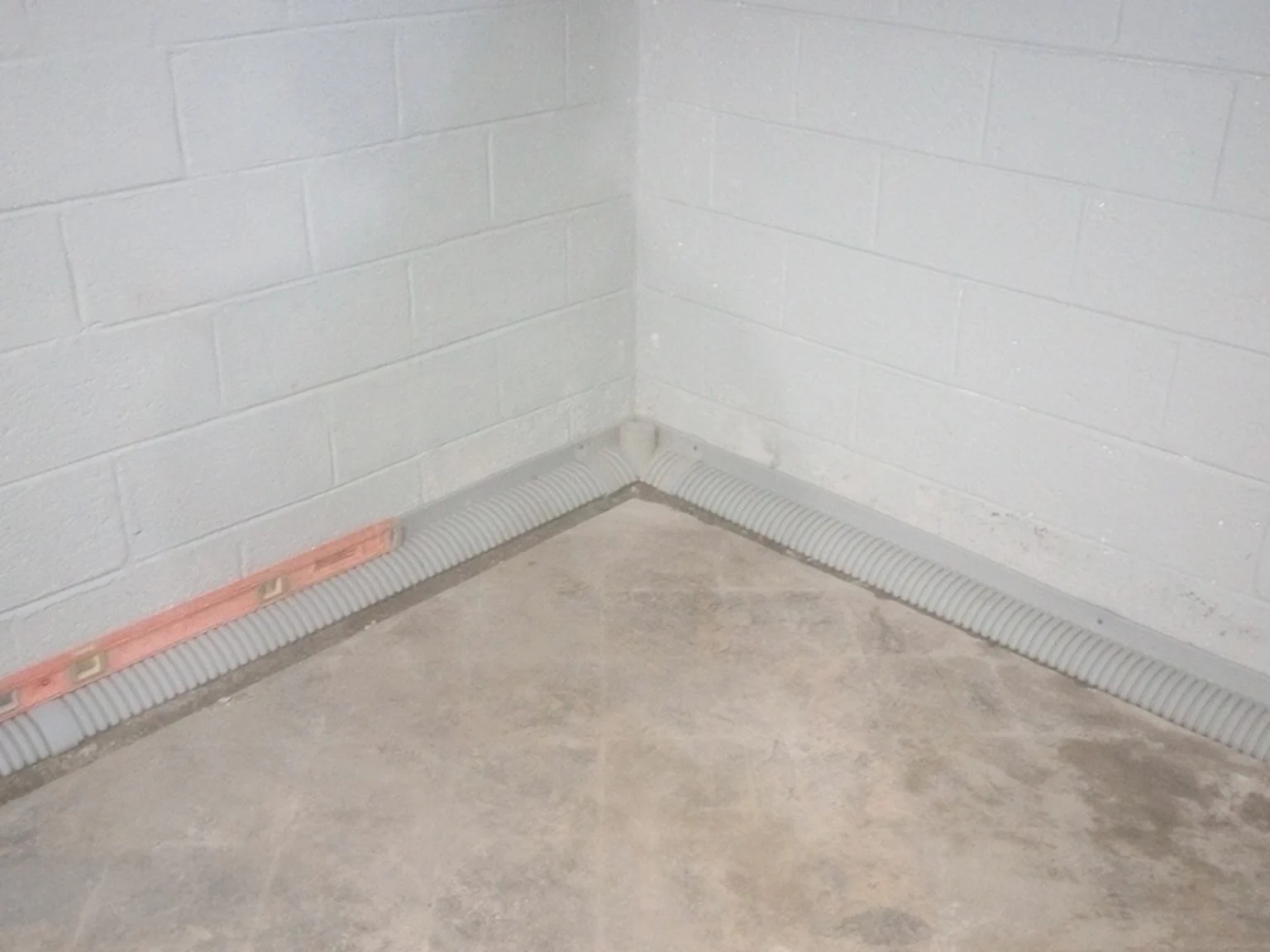
We install a low-profile channel along the joint where the wall, floor, and footing meet. This catches seepage immediately and relieves pressure on your walls and floor. Our high-flow, open-back design doesn’t bottleneck, allowing it to take in water quickly and featuring cleanout ports for easy maintenance and lasting results.
Interior Perimeter Drain (Open-Back Channel)
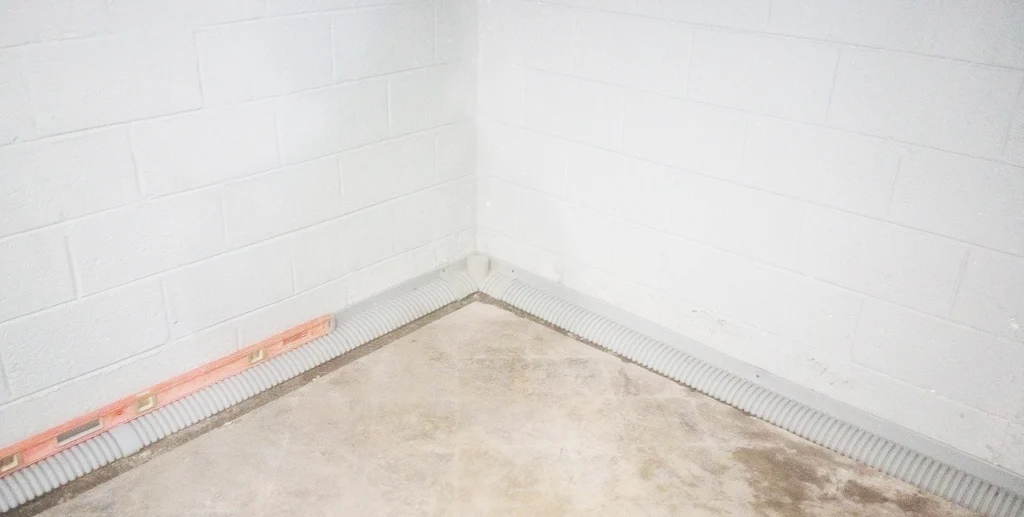
We install a low-profile channel along the joint where the wall, floor, and footing meet. This catches seepage immediately and relieves pressure on your walls and floor. Our high-flow, open-back design doesn’t bottleneck, allowing it to take in water quickly and featuring cleanout ports for easy maintenance and lasting results.
Sump Pump System (Sealed & Radon-Compatible)
Collected water routes to a sealed sump basin with a quiet, radon-ready lid. We base the size and capacity of the primary pump on Indiana storms and can add a battery backup and high-water alarm. This way, your system keeps running during power outages and you get early warnings if water levels rise.
Sump Pump System (Sealed & Radon-Compatible)
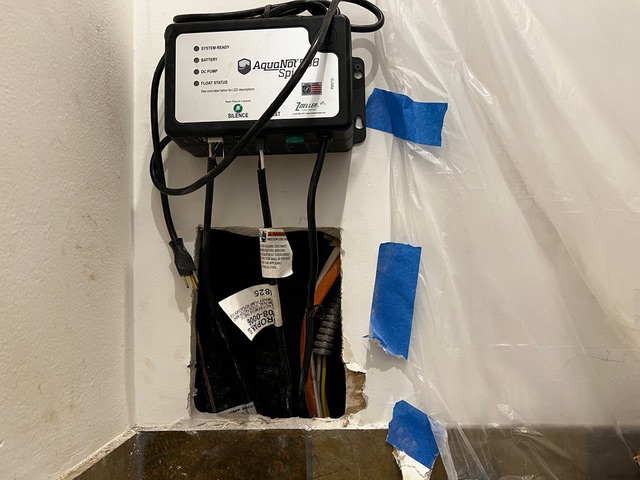
Collected water routes to a sealed sump basin with a quiet, radon-ready lid. We base the size and capacity of the primary pump on Indiana storms and can add a battery backup and high-water alarm. This way, your system keeps running during power outages and you get early warnings if water levels rise.
Freeze-Relief Discharge (Winter-Ready)
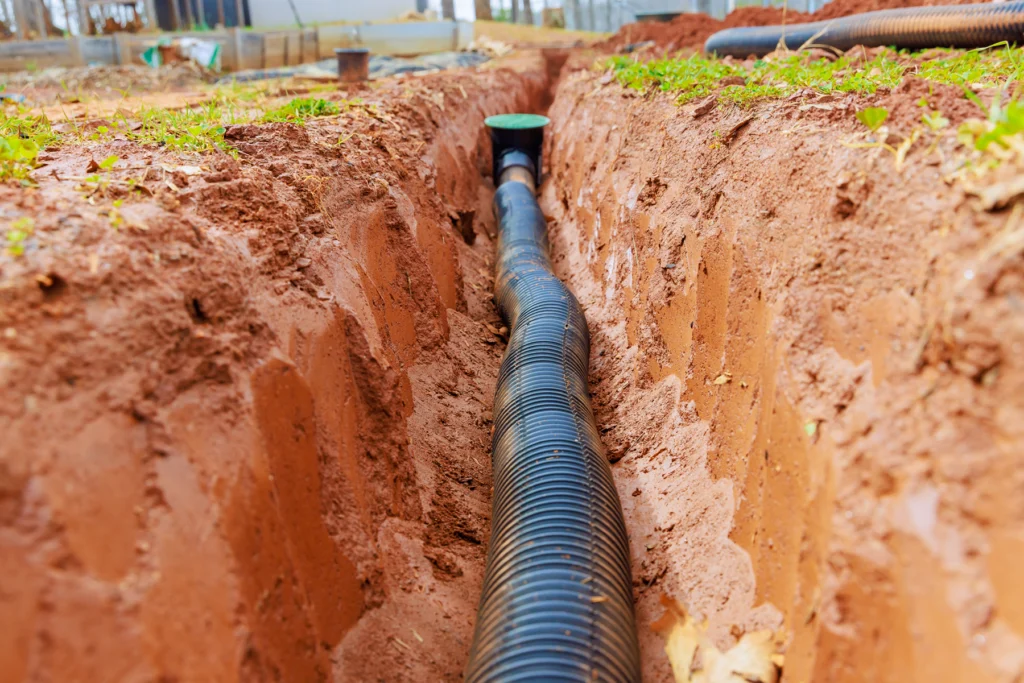
Buried lines can freeze during Indiana winters. To prevent this, we add a vent near the wall and run a buried line to a pop-up emitter in your yard. This setup keeps your system working in cold weather and moves water away from your foundation.
Freeze-Relief Discharge (Winter-Ready)
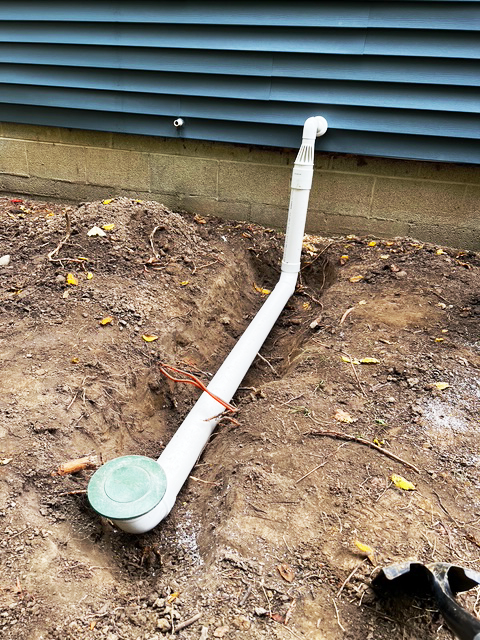
Buried lines can freeze during Indiana winters. To prevent this, we add a vent near the wall and run a buried line to a pop-up emitter in your yard. This setup keeps your system working in cold weather and moves water away from your foundation.
Exterior Drainage Improvements
We prevent large amounts of water from reaching your walls by correcting the grading. Good exterior drainage means your sump pump runs less and your walls stay under less pressure.
Exterior Drainage Improvements
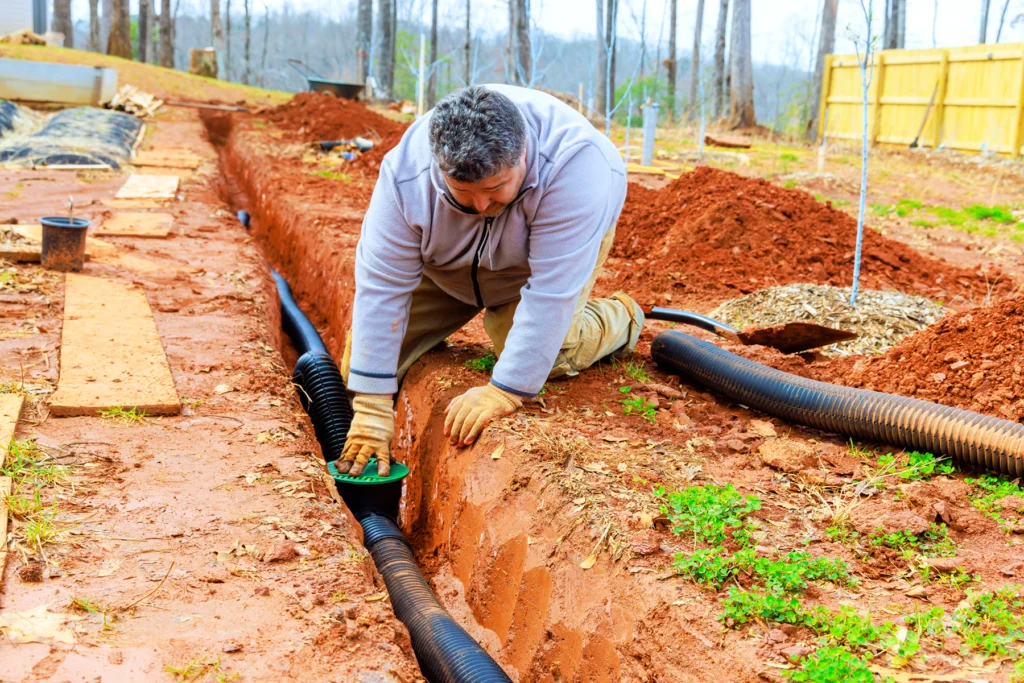
We prevent large amounts of water from reaching your walls by correcting the grading. Good exterior drainage means your sump pump runs less and your walls stay under less pressure.
Crawlspace Integration & Encapsulation
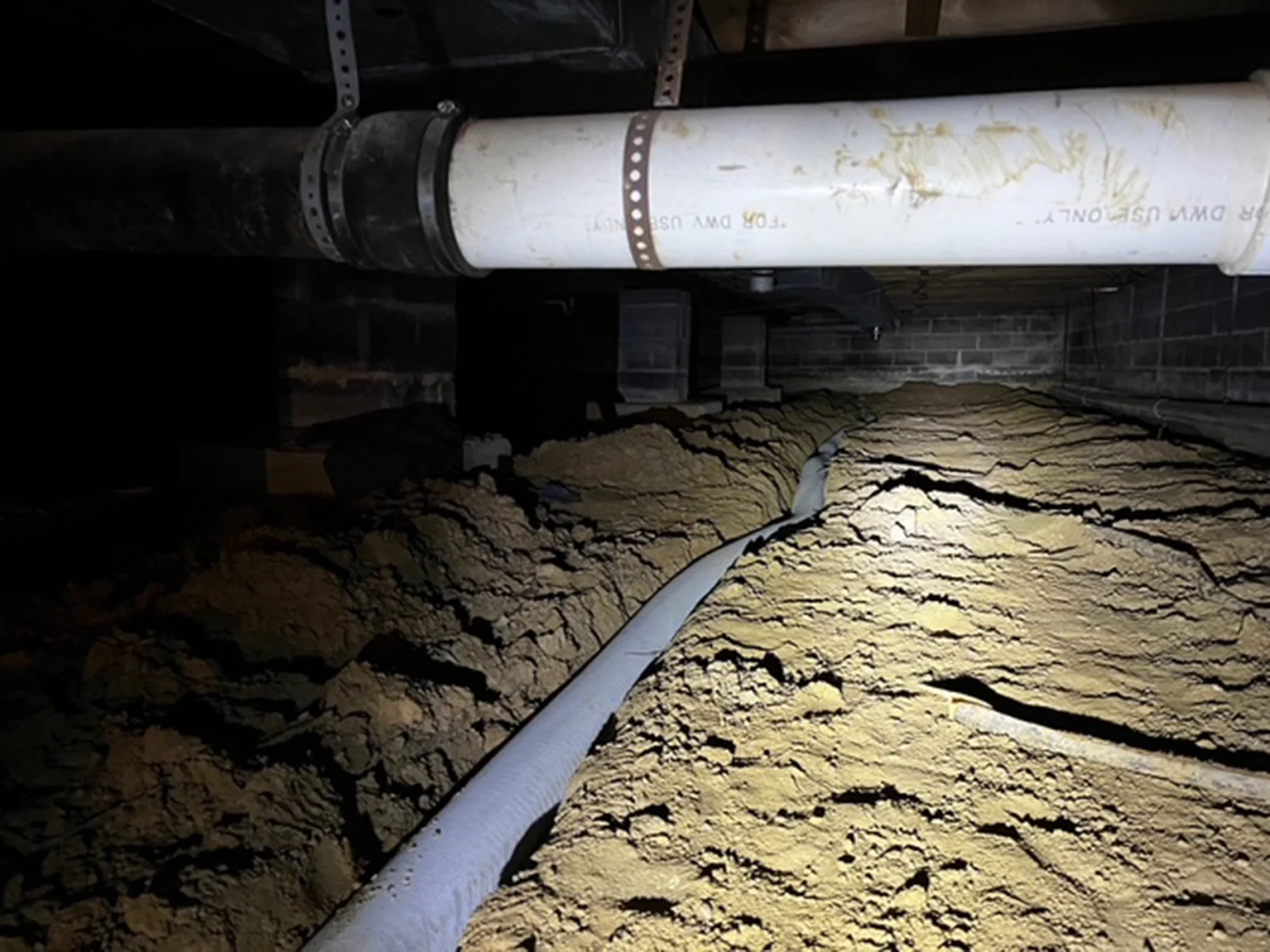
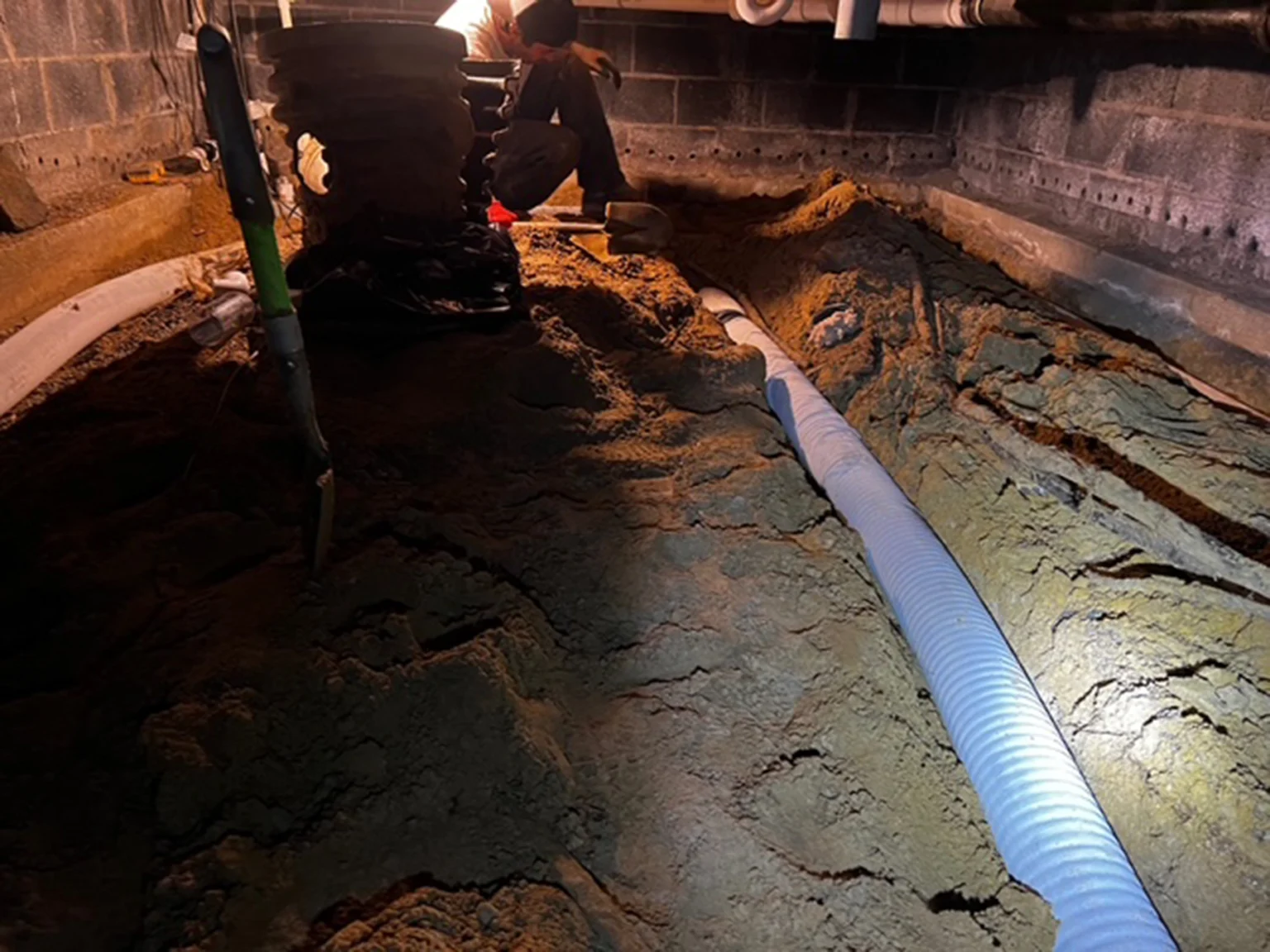
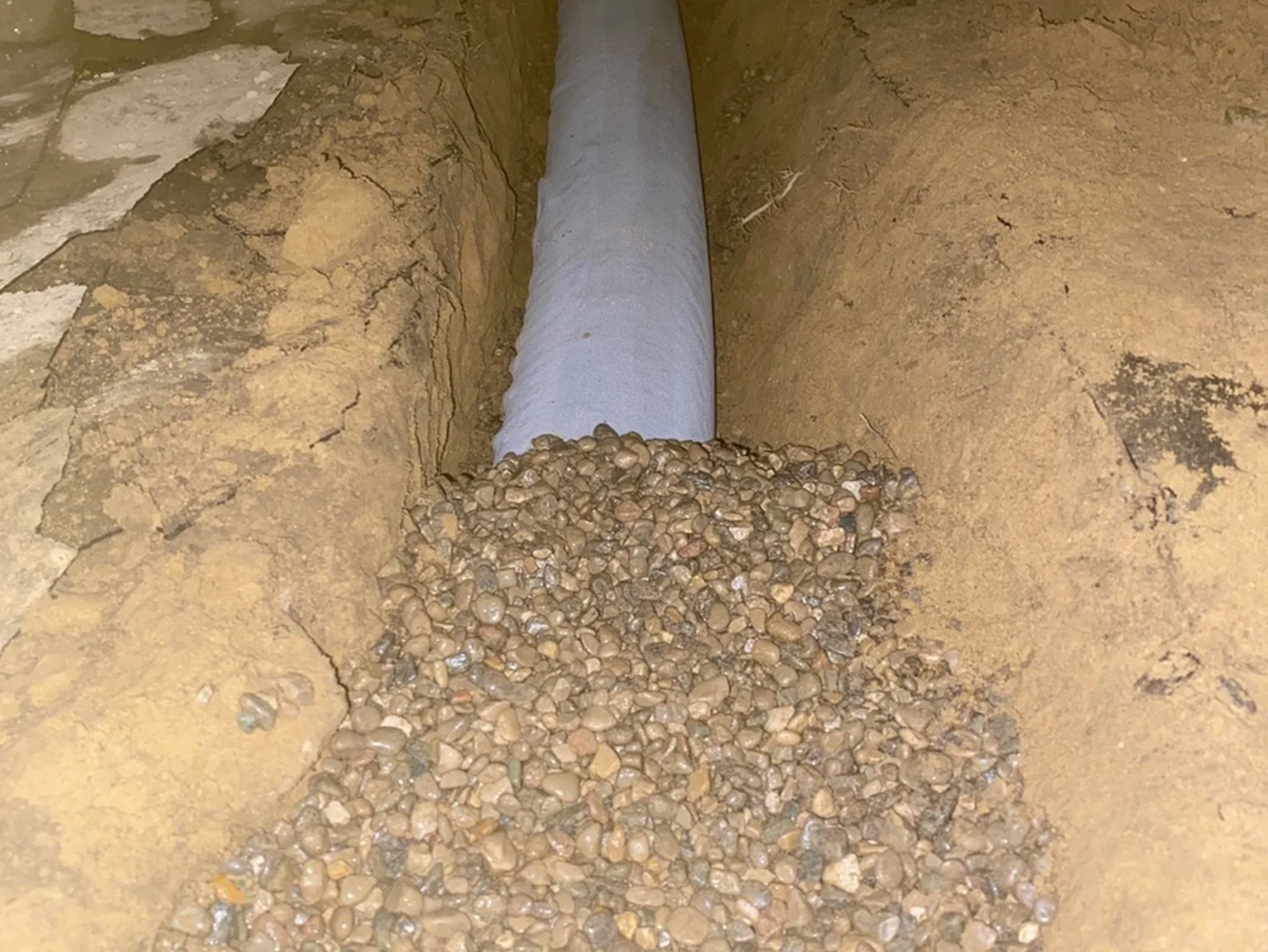
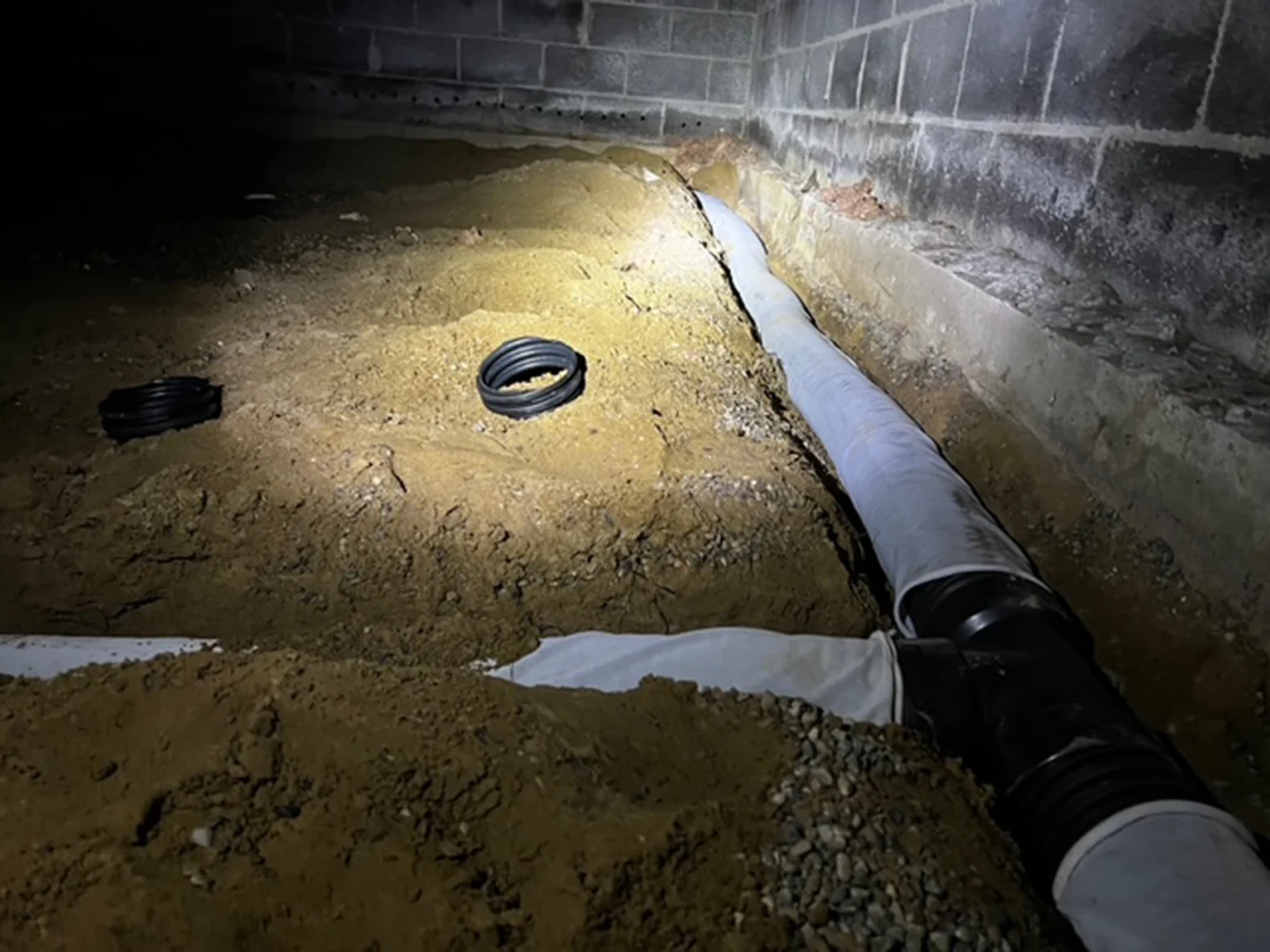
To prevent crawlspace flooding, we dig trenches and install perforated pipes that collect water and send it to a sump before it spreads. During your inspection, we check your soil, the number of crawlspace sections, and where the water collects. If you choose encapsulation, we connect the drain and sump to sealed vapor barriers for lasting moisture control.
Crawlspace Integration & Encapsulation
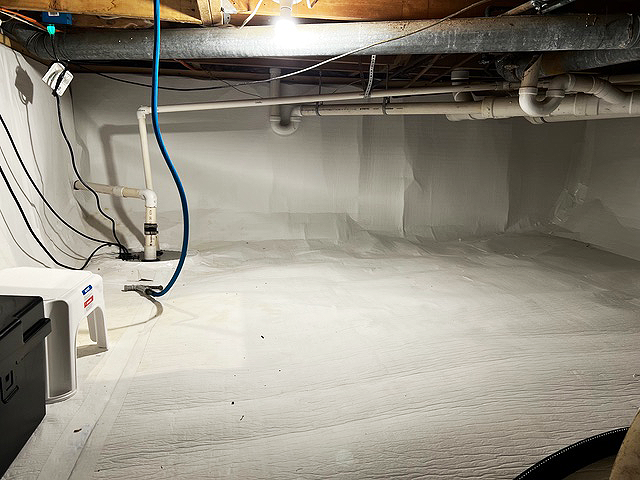
To prevent crawlspace flooding, we dig trenches and install perforated pipes that collect water and send it to a sump before it spreads. During your inspection, we check your soil, the number of crawlspace sections, and where the water collects. If you choose encapsulation, we connect the drain and sump to sealed vapor barriers for lasting moisture control.
Protection Plan (Simple Upkeep)
Our Annual Protection Plan makes maintenance easy. We provide an annual pump test, cleanouts through service ports, alarm battery replacement, discharge checks, and a quick look at humidity and temperature to keep your system ready for storms.
Here’s how it all comes together: We look at your roof runoff, surface grading, and groundwater flow. Then we combine the best interior system with the right exterior solutions. This keeps your basement or crawlspace dry, protects your foundation, and helps maintain your home’s comfort.
Protection Plan (Simple Upkeep)
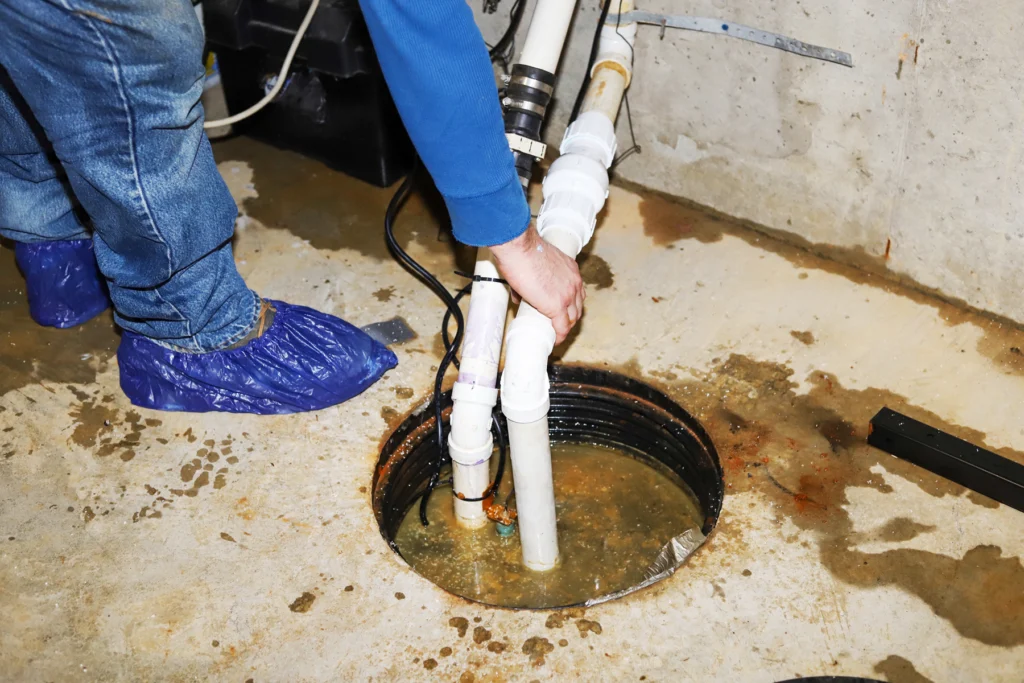
Our Annual Protection Plan makes maintenance easy. We provide an annual pump test, cleanouts through service ports, alarm battery replacement, discharge checks, and a quick look at humidity and temperature to keep your system ready for storms.
Here’s how it all comes together: We look at your roof runoff, surface grading, and groundwater flow. Then we combine the best interior system with the right exterior solutions. This keeps your basement or crawlspace dry, protects your foundation, and helps maintain your home’s comfort.
Our Drainage System Installation Process
Every home’s drainage needs are unique, but our installation process follows proven steps that keep Indiana basements and crawlspaces dry.
Inspection & Planning
We determine how water enters your home, examining factors such as roof runoff, grading, soil, and where the wall meets the floor. Then, we plan the most effective way to address all the drainage problems.
Interiors (Basements & Crawlspaces)
Basements: We cut a narrow trench along the inside edge and install a fast-draining channel with service ports. This collects water at the wall, floor, and footing, then directs it to the sump.
Crawlspaces: We dig a trench around the perimeter, line it with filter fabric, add a layer of gravel, and place a perforated pipe on top. After covering the pipe with more gravel and backfilling the trench, we connect the line to a sump pump or approved drainage outlet. This setup collects groundwater and carries it away before it can spread.
Sump Basin & Pump Integration
In basements or crawlspaces, a sump basin is installed at the lowest point. Water collected by the drain tile flows directly to this basin, where a sump pump discharges it safely outside.
Winter-Ready Discharge (Reeze Relief)
We install a small vented discharge pipe at the wall and run a properly sloped, buried line to a pop-up emitter in your yard. This way, your system continues to work even during freezing weather.
Exterior Drainage Options
Where necessary, exterior footing drains and grading corrections are added to prevent water from ever reaching the foundation.
Exterior Drainage Tune-Up
When needed, we correct grading, install buried downspout extensions, service window well drains, or install targeted French drains to address specific drainage issues. These steps help keep water away and reduce the frequency of your sump pump’s operation.
System Testing & Final Review
We test the system to ensure it works seamlessly, providing long-term protection against water intrusion.

Want to learn more about sump pump protection?
Our Drainage System Services
THINGS TO CONSIDER:
- Do you have sandy soil (easy digging) or denser soil that retains water?
- Do you have several “rooms” in your Crawlspace?
- For sewage cleanup, do you have a single puddle to clean up or the entire Crawlspace?
Benefits of Installing a Drainage System
Installing a drainage system does more than just dry up puddles today. It helps prevent future damage by stopping water at the footing and reducing pressure before it reaches your walls. This keeps your basement and crawlspace dry, protects your foundation, and helps maintain your home’s air quality and value.
Did You Know?
- A single inch of rain falling on a 1,000 square-foot roof produces over 600 gallons of runoff, which can overwhelm homes without proper drainage.
- Basement water damage affects 98% of US homes with basements at some point in their lifetime.
- Standing water near your foundation can exert hundreds to thousands of pounds of hydrostatic pressure, enough to crack or bow walls.
Don’t wait until it’s too late.
PROJECT GALLERY
From Wet to Worry-Free
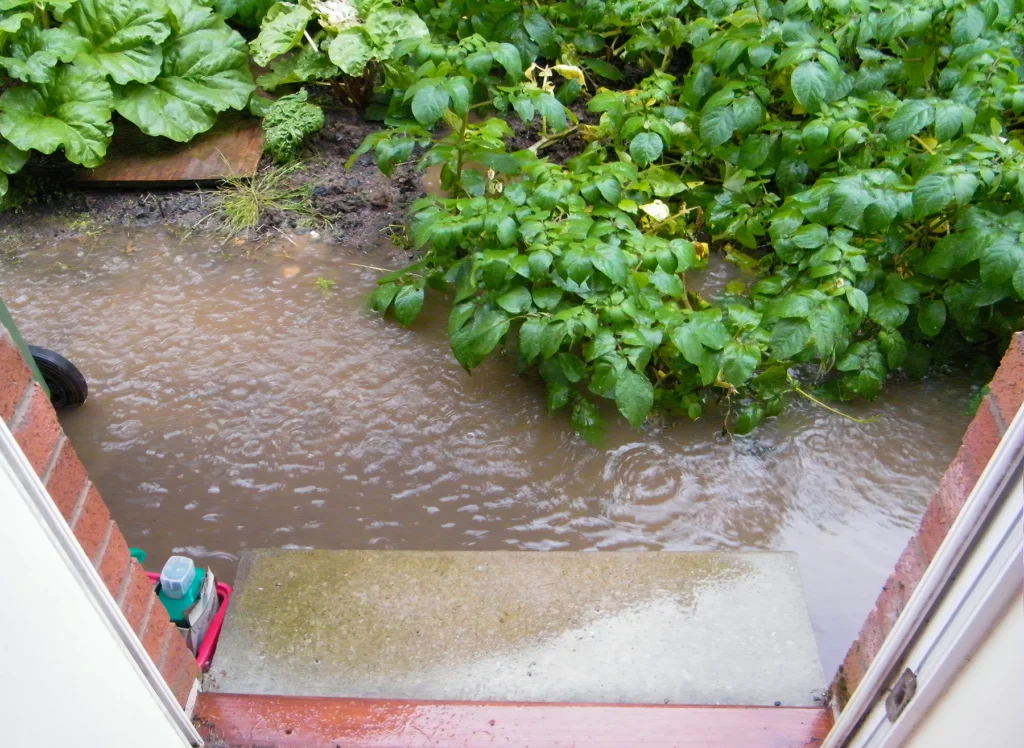
Take a look at real Indiana projects where smart drainage solutions, like interior drain tile, French drains, sealed sumps, and freeze relief discharge, have transformed damp, flooded areas into clean, dry, and protected spaces.
Check out how our other services deliver results!
Indiana Families Trust Drainage Control
Indiana Families Trust Drainage Control
“Now, my crawl space is immaculate… Mold is gone, and it stays dry. I don’t have to worry about my floors rotting out any longer, or what the mold is doing to the health of my family… They do good work!”
~ Robert A., Google Review
Real results for real homes, done right.
Customer Stories
Robert’s story above is just one of many.
See how Drainage Control has helped Indiana homeowners solve drainage problems with French drains, sealed sump systems, freeze-relief discharge, and other effective solutions.

Note: Some reviews mention our former names, Crawlspace Remediation and Radon Control Services. Both are now part of the Cut ‘N Dry Waterproofing family of services.
Frequently Asked Questions
Curious how drainage systems work? Here are clear answers to the questions we hear most from Indiana homeowners:
How do I know if I need a crawlspace or basement drainage system?
If you have standing water, musty odors, wall cracks, or persistent dampness, a drainage system may be the solution.
Where should a drainage system be installed?
The best areas to install a drainage system are in places where water accumulates, like basements, crawlspaces, and low-lying spots in the yard. A drainage system can also be installed around the perimeter of your home to help keep water from seeping into the foundation.
Do I need interior drainage, exterior drainage, or both?
Do I need both drainage and waterproofing?
How long does installation take?
Most crawlspace or basement drainage systems can be installed in just a few days, depending on the size of your home.
Do drainage systems work with sump pumps?
Absolutely. In fact, most drainage systems are designed to feed into sump pumps for maximum effectiveness.
How long does it take to install a crawlspace drainage system?
The installation time might differ based on how big and complex your project is. Typically, a standard installation in a basement or crawlspace can take anywhere from a few hours to a couple of days to complete.
Still have questions?

Financing Options
Protect Your Home Without Delay
We offer flexible financing from $1,000 to $25,000*, with simple monthly plans and quick pre-approvals.
*Other financing options are available for larger projects.
Ready to Solve Your Water Problems?
Protect your crawlspace and basement from water damage with a drainage system designed for Indiana homes.