

About Drainage
Why Drainage Is Your First Defense Against Water
Water can cause a lot of problems if it isn’t managed properly. Without proper drainage, it collects around your foundation, puts extra pressure on the soil, and seeps into basements or crawlspaces. A solid drainage plan helps direct water away from your house, protecting your home, keeping the air healthier, and giving you peace of mind.
What Is a Drainage System?
A home drainage system manages roof runoff, surface water, and groundwater, preventing pooling and accumulation around your foundation. The main components work together to ensure water flows away effectively.
French Drains (Yard and Perimeter)
Interior Drains (Basement or Crawlspace)
Exterior Drains (At the Footing or Problem Spots)
Downspout Extensions and Grading
Sump Pump System (with Backup and Alarm)
Together, these components lower hydrostatic pressure, prevent leaks, and protect your foundation. We tailor a system and setup specifically for your property and Indiana’s changing seasons.
Why Drainage Fails
Even a solid foundation struggles when there is nowhere for water to go. Over time, groundwater and moisture-retaining soil increases pressure against foundation walls and finds its way inside. In Indiana, drainage often fails for a few common reasons that are easy to spot around the house.
- Moisture-Retaining Soil – Much of Central Indiana sits on dense glacial soils that don’t drain quickly after storms. When water lingers around the foundation, pressure builds against the walls, increasing the risk of seepage and structural stress.
- Negative Grading/Settled Soil – If the yard tilts toward the house, rain and snowmelt will collect along the foundation instead of shedding away.
- Clogged or Broken Drains – Footing or window-well drains silt up or fail, leading to standing water, rusty wells, and damp walls.
- Short/Disconnected Downspouts – Roof runoff can cause water to pool at the base of the wall, increasing exposure of foundation walls and crawlspace to large amounts of water.
- Frozen Discharge Lines – In winter, ice can block outlets, causing the pump to push against a blockage and water to back up.
When drainage can’t keep up, hydrostatic pressure builds against basement and crawlspace walls, and water finds the easiest way inside. The fix is simple in principle: give water a reliable path away. Capture it, move it, discharge it, and winter-proof the line.
Signs of Drainage Problems
Water problems usually begin with small, subtle signs rather than a sudden flood. You might notice a musty smell in the basement, a puddle that sticks around near the foundation, or a white, powdery film on the concrete. These clues mean your drainage may not be working well. If ignored, they can turn into more significant issues, such as cracked or bowed walls, mold, or even major flooding.
If you notice any of the following, it’s time for a drainage inspection:
If you see any of these warning signs, it’s time for a professional inspection.
Taking action early helps keep problems minor and makes repairs easier and more affordable.
60 Second Yard Audit Checklist
Do I Need Drainage?
- Water pools near the house after rain
- Downspouts end within 6-10 feet of walls
- Musty basement or crawlspace odors
- White powder (efflorescence) on walls
- Sump runs constantly OR not at all when it should
If you checked 2 or more boxes, it’s time for an inspection.
Why Drainage Matters
Good drainage is your first line of defense. It moves water away from your home before it can build up, find cracks, or seep into your basement or crawlspace.
Protects your foundation
by reducing hydrostatic pressure on walls and slabs
Prevents leaks and structural damage
like cracks, bowing, and heaving
Lowers humidity and mold risk
for healthier air throughout the house
Helps systems run efficiently
with fewer sump cycles and winter backups
Preserves curb appeal and value
by preventing erosion and inspection surprises
When done correctly, drainage and waterproofing work together to keep your home dry and stable for years to come.
Did You Know?
- Expansive clay soils in West Central Indiana, which swell when wet and shrink when dry, cause more annual foundation and structural damage to homes than floods, tornadoes, and hurricanes combined.
- Standing water around a foundation can add thousands of pounds of hydrostatic pressure, enough to crack concrete walls.
- Poor drainage is one of the top contributors to basement flooding and crawlspace moisture problems nationwide.
Don’t wait until it’s too late.
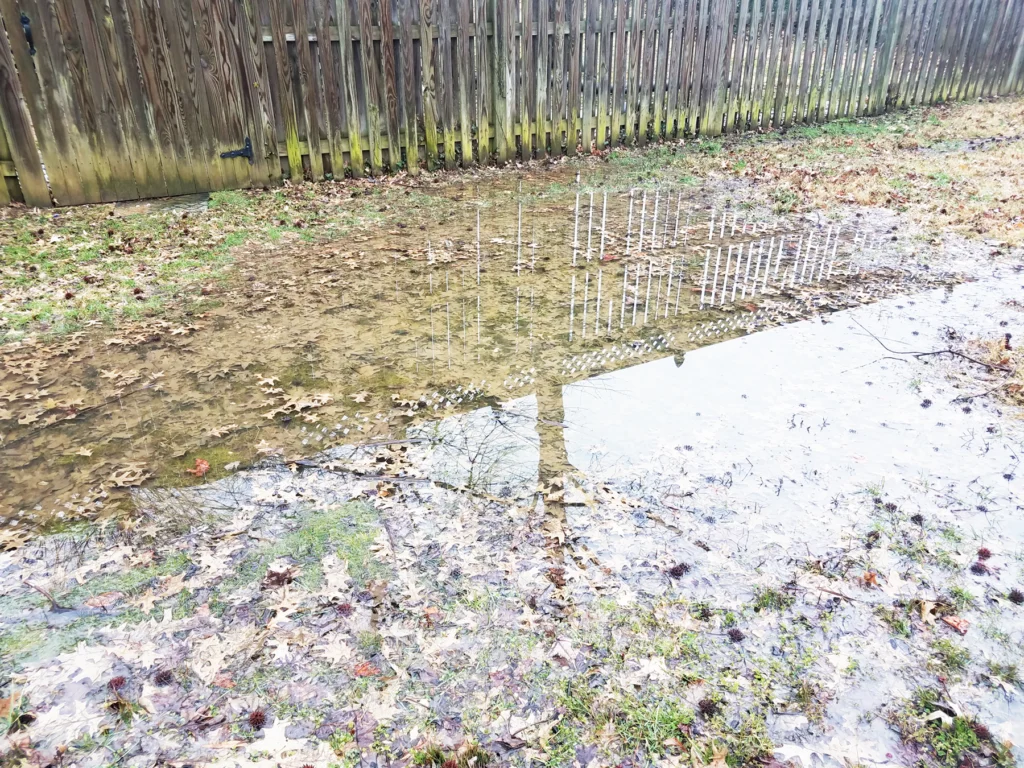
Explore Drainage Solutions
Crawlspace & Basement Drainage Systems
We install interior drain tile at the footing to direct water into a sealed sump. Our systems include winter-ready discharge lines that keep water moving even in freezing weather. This setup works well for cove-joint leaks and hydrostatic pressure.
Crawlspace & Basement Drainage Systems
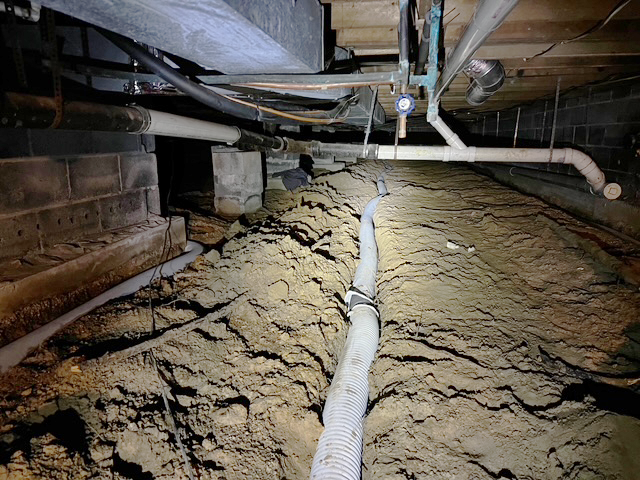
We install interior drain tile at the footing to direct water into a sealed sump. Our systems include winter-ready discharge lines that keep water moving even in freezing weather. This setup works well for cove-joint leaks and hydrostatic pressure.
French Drains
We use yard and perimeter trench drains to collect surface and groundwater from wet areas, patios, or property lines. These drains safely direct water to daylight or a dry well, which helps prevent ponding, erosion, and wall pressure.
French Drains
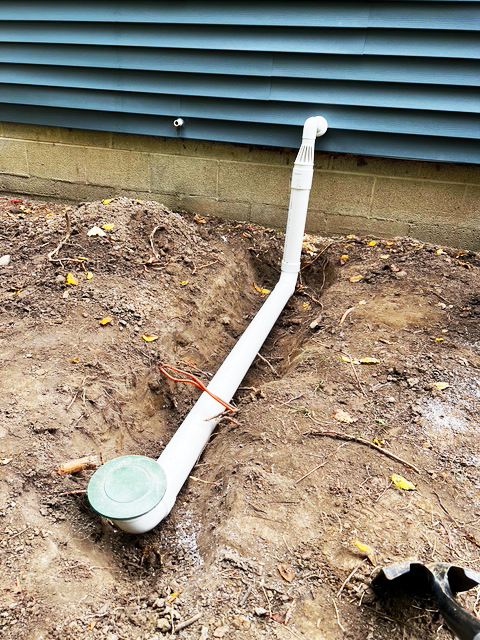
We use yard and perimeter trench drains to collect surface and groundwater from wet areas, patios, or property lines. These drains safely direct water to daylight or a dry well, which helps prevent ponding, erosion, and wall pressure.
Sump Pumps
Our sump pumps are sized to meet your specific needs and can include features such as battery backup, a high-water alarm, and sealed lids. These features keep your system working during storms and power outages.
Sump Pumps
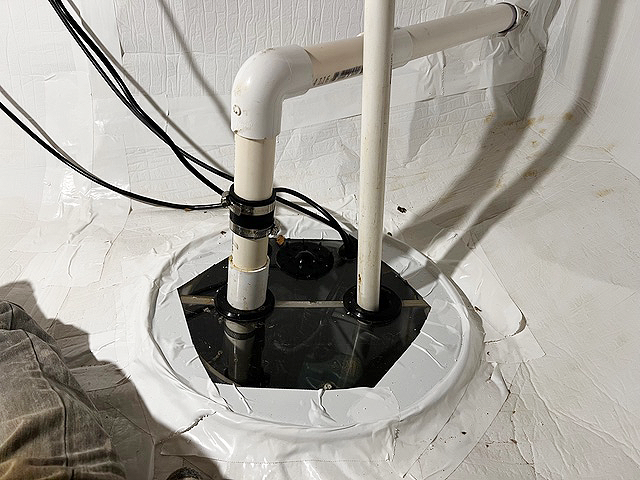
Our sump pumps are sized to meet your specific needs and can include features such as battery backup, a high-water alarm, and sealed lids. These features keep your system working during storms and power outages.
Frequently Asked Questions
Indiana homeowners often ask how much drainage really matters. Here are clear answers to the most common questions:
Do all homes need a drainage system?
Most homes benefit from some form of drainage, especially in areas like Central Indiana that experience heavy seasonal rainfall and have slow-draining soils. Homes with basements or crawlspaces are particularly vulnerable if water is not directed away from foundations.
What's the difference between drainage and waterproofing?
Waterproofing blocks water entry, while drainage manages water flow before it reaches your foundation. They work best when combined.
How can poor drainage affect my foundation?
When water collects around your home, it builds up hydrostatic pressure that pushes against foundation walls. Over time, this can lead to cracks, leaks, or even bowed walls.
Do French drains really work in Central Indiana's soil conditions?
Yes. When properly designed and installed, French drains are very effective at capturing and redirecting water before it builds up around your foundation. Even in dense, slow-draining soils, they relieve hydrostatic pressure and help protect basements and crawlspaces from water intrusion.
Is drainage maintenance required once a system is installed?
Very little. Systems like French drains and sump pumps require occasional inspections and, in the case of sump pumps, routine testing to ensure they’re working correctly.
How often should I check my sump pump?
At least once per year, ideally before spring rains. A failed sump pump is one of the leading causes of basement flooding.
Still have questions?
Ready to Solve Your Drainage Problems?
Don’t wait until water damage spreads. Trust Drainage Control by Cut ‘N Dry Waterproofing to design systems that protect your foundation, basement, and crawlspace for the long term.