

About Air Quality
As much as 50% of the air on your main floor can come from the basement or crawlspace.
If those areas are damp or leaky, things like humidity, odors, spores, fine dust, and soil gases can move into your living spaces. This can make rooms feel stuffy and cause allergies that get better when you leave the house.

What "Indoor Air Quality" Really Means
The Stack Effect
Why “Below” Ends Up “Above”
When indoor air is warmer than the air outside, it rises and escapes near the top of the house. That gentle pull brings in new air from the lowest areas, like basements and crawlspaces, especially during winter. In summer, the pattern may change, but air and whatever it carries still move through the same routes in your home.
- What Rides the Airflow: Musty odors, humidity, mold spores, and even soil gases.
- Typical Pathways: Common pathways include rim-joist gaps, the wall-floor (cove) joint, plumbing and electrical chases, leaky returns or ducts, open sumps, and stairwells.
- What to Do: Make sure bath and kitchen fans vent outdoors (never into the attic), dry and seal the crawlspace/basement (including drainage, encapsulation, and dehumidification), and tighten ductwork/returns. Fixing the air below noticeably improves the air above.

Is Your Air Telling You Something?
Early Clues You’ll Feel (and Smell)
If these sound familiar, your indoor air may be affected:
- Musty smells that return after cleaning or rain
- Condensation on windows/ducts and relative humidity is often above 55–60%
- Allergy-like symptoms at home that improve when you're away
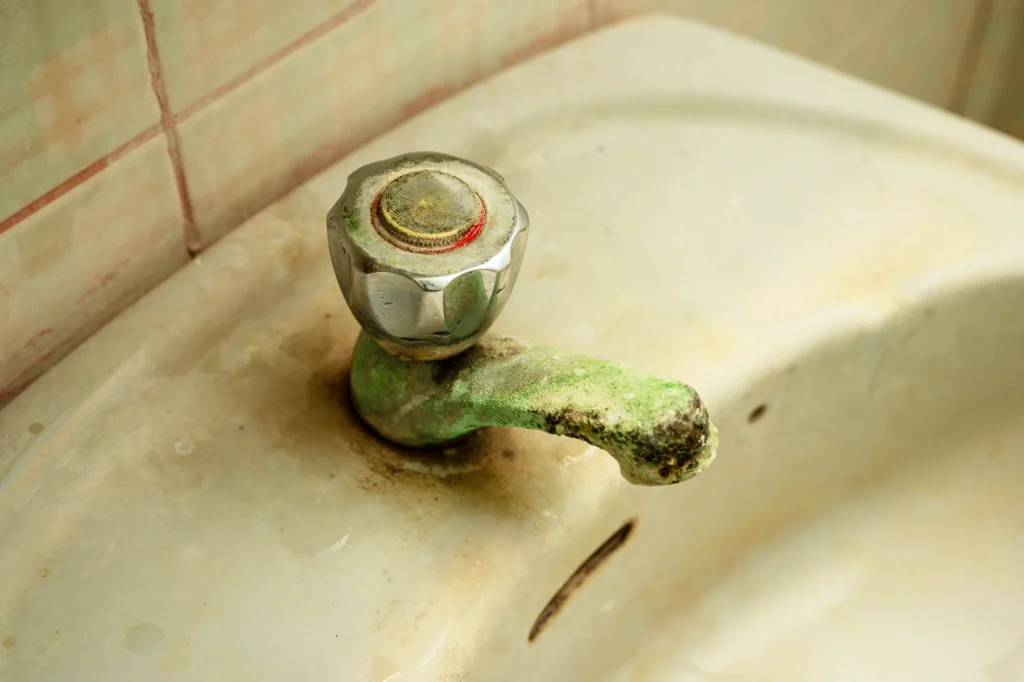
- Visible spots on wood/drywall; efflorescence on masonry
- Cupping hardwood , rusted fasteners, or peeling paint
Root Causes We Fix First
We address the real causes of poor air quality. We’ll explain what we do, why it’s essential, and what results you can expect.
Water Entry and Wet Soil
Standing water, seepage, or a damp crawlspace or basement can cause musty air. We route water away so the area can dry out.
Vapor and Air Leaks
Gaps at the rim joist, open sumps, utility holes, and leaky returns can allow air, odors, and spores to enter your living spaces. We seal and cover these pathways.
High Humidity
After fixing water and leaks, we select the right humidifier for your home to keep indoor humidity levels around 45-55%.
Contamination
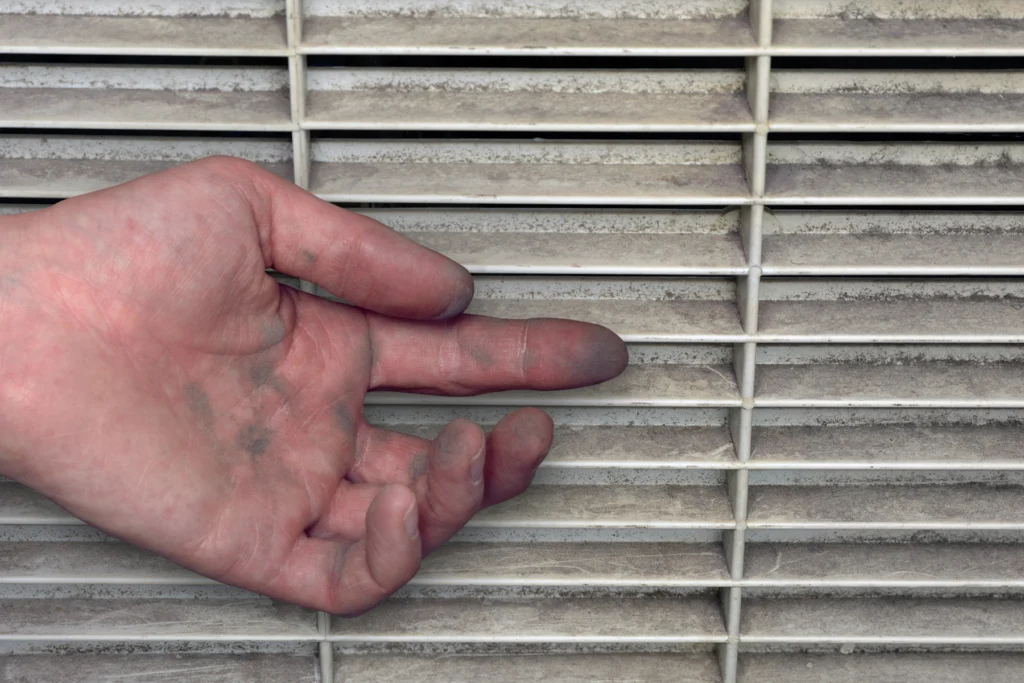
If surfaces or materials, such as drywall, carpets, or masonry, are moldy or dusty, we remove what can't be saved and HEPA clean what can be kept.
Learn more about root-cause fixes:
Our Air Quality Approach
We follow a clear process so you don’t have to guess what comes next.
Inspect & Measure:
We check for moisture, track humidity and temperature, review airflow and ventilation, and provide you with a summary.We check for moisture, track humidity and temperature, review airflow and ventilation, and provide you with a summary.We check for moisture, track humidity and temperature, review airflow and ventilation, and provide you with a summary.
Test When It Helps:
We conduct targeted air quality or mold tests with a third-party lab when the results will assist you in making informed decisions or when you require documentation. We won’t recommend extra tests you don’t need.
Fix the Causes:
We use water control, sealing, and humidity solutions in the right order, as described above.
Clean & Restore:
HEPA vacuum and surface treatment; remove contaminated materials where needed.
Improve the Air:
We adjust filtration and ventilation, and can add CIMR whole-home treatment after moisture and cleanup to keep reducing airborne issues.
Verify & Maintain:
We set clear targets, such as maintaining humidity levels between 45% and 55%. We will suggest when to re-test and make quick seasonal checks.

What is CIMR?
What It Is
“CIMR” stands for “Continuous Infectious Microbial Reduction.” Think of it as a whole-home “air polisher.” It installs in your HVAC system and safely treats the air as it recirculates. We suggest using it only after fixing any moisture issues and completing any necessary cleanup.
What It Does
CIMR helps lower airborne mold spores and musty odors as air moves through your home, keeping your space fresher between seasons and after significant weather changes.
Where It Fits
- After drainage/encapsulation/dehumidification and any mold remediation
- Alongside filtration and proper ventilation. It complements them, rather than replacing them.
Good Use Cases
- Lingering musty odors even after moisture is under control
- Finished basements or lower levels that draw air from below grade
- Allergy-sensitive households (kids, pets, or immune-sensitive family members)
What It's Not
CIMR is not a shortcut. It will not fix leaks, seepage, or high humidity, and it does not mask odors with scents.
Upkeep
Very simple. We’ll show you how to do quick checks and let you know when to replace the cell or bulb for your model during installation.
Myth vs. Fact
Myth: “A dehumidifier solves everything.”
Fact: While a dehumidifier helps reduce high humidity in your home, it won’t address leaks, seepage, or air leaks from below-grade areas.
Myth: “If I don’t see mold, the air must be fine.”
Fact: Just because it’s not visible, doesn’t mean mold isn’t around. Odors, spores, and humidity can move without visible growth.
Myth: “Bleach will solve the problem.”
Fact: Bleach might lighten stains, but it doesn’t address porous materials or airborne spores.
Myth: “Only black mold is a concern.”
Fact: Many types of mold can affect comfort and air quality. The color doesn’t tell you how risky it is.
Frequently Asked Questions
Have questions about indoor air quality? Stack effect, humidity, crawlspaces, filtration, it can get a little confusing. Here are some answers to the questions we hear most often.
Do I need testing, or should I address moisture issues first?
If you notice obvious problems, such as a wet crawlspace, high humidity, or visible mold growth, start by addressing the moisture issue. We recommend testing when it will help guide your choices or provide needed documentation.
Will encapsulation really help the air upstairs?
Yes. Up to 50% of the air you breathe comes from below. Encapsulation prevents ground moisture from entering, and using the right humidifier helps maintain the ideal humidity range.
Is CIMR safe to run while we're home?
Yes. CIMR is intended for use in lived-in spaces as a continuous, low-level treatment. Use it only after you have fixed moisture issues and finished any needed cleanup.
How soon will I notice a difference?
Odors usually get better quickly once the crawlspace or basement is dry and sealed. Comfort and dust will improve as humidity and airflow settle, usually within a few days to a couple of weeks.
What humidity should I aim for?
For most Indiana homes, a general target roughly 30-40% relative humidity in winter and 40-50% in summer. Keeping relative humidity below 60% helps limit musty odors and mold growth.
Will a portable air purifier solve the problem?
HEPA units can help clean the air in a room, but they do not fix moisture, leaks, or air coming from below ground. Start by fixing the source, then use a room HEPA filter where it is useful.
Do tighter, energy-efficient homes make indoor air quality worse?
Tighter, energy-efficient homes can retain pollutants longer if ventilation and filtration are not properly set up. We will inspect your bathroom and kitchen exhaust systems, ducts, and filters to ensure fresh air is circulating like it should.
Do I always need lab testing?
Not always. If we know the source and the extent of the problem, we can often proceed directly to fixing it. If test results will affect your choices or you need documentation, we will conduct targeted air or surface sampling with a third-party laboratory.
What if I don't see mold, but it smells musty?
You might still have high humidity, hidden mold, or air coming from a damp crawlspace or basement. An inspection will identify the cause, allowing us to address the issue in the correct order.
How often should I change filters?
As a general rule, change filters every 1 to 3 months, or more frequently if you have pets, dust, or have recently renovated. If we upgrade your filter (such as using a higher MERV rating), we will ensure your system can handle it.
Will fixing moisture help allergies?
Lowering humidity and preventing air from circulating through damp areas usually reduces musty smells and airborne spores. Many people with allergies notice the difference.
Want guidance for your home?
Let us know what you’re noticing, and we’ll outline the next steps and how we can help.
Still wondering about something specific?
Ready to Breathe Easier?
Start with a quick, no-pressure air quality check.
We’ll find the source, explain the “why,” and outline the next steps.